Construction Pathologies in Ibiza: Why Houses Get Sick on the Island and How to Cure Them
Living in Ibiza feels like enjoying a slice of paradise, yet anyone who owns a home there will tell you that bliss comes with unexpected challenges. The vibrant sea, sunshine, and breezy air create a postcard-perfect backdrop, but those very elements can quietly undermine your home’s health. The phenomenon people refer to as “sick building syndrome” shows up with surprising frequency on the island. If you are hoping to keep your house both welcoming and resilient, it starts with understanding exactly why Ibiza’s unique coastal weather can be so hard on buildings.
What makes Ibiza’s climate so tough on buildings?
There’s little doubt that Ibiza has its own personality, especially when it comes to weather. Some people see the seemingly endless sunshine, but if you look a bit closer, you realize the island is anything but gentle on construction. Even locals agree that relentless environmental forces, led by salty air, persistent humidity, and unpredictable storms, quickly put construction materials to the test. Interestingly, no two seasons seem quite the same. It’s not just about where your house sits by the shore; how your home is built, the materials used, and the attention paid to local conditions are all vital for long-term survival in Ibiza’s rather unforgiving environment.
The constant attack of humidity and sea salt
It’s easy to love the Mediterranean breeze, but that wind carries an invisible enemy: salt from the sea. In almost every corner of Ibiza, homes face high relative humidity nearly all year. That stickiness seeps into walls and floors, often without warning, setting the stage for future headaches. But really, it’s the almost invisible saline aerosols in that breeze, tiny droplets lifted straight from the waves, that steal the show. Like a very persistent guest, this salty mist settles everywhere: facades, old tiles, hidden beams, you name it.
Salt acts like an acid, quietly chipping away at anything it can reach. If you have concrete with reinforcements inside, you may notice chloride attack: the salt sneaks in and eats away at the steel cores. Suddenly, pillars, beams, and floors you trusted for years begin to lose their strength, potentially one of the most nerve-wracking issues for those living right by the sea.
The impact of intense sun and temperature shifts
You don’t need to be a scientist to feel the punishing blaze of Ibiza’s UV radiation. It goes well beyond beachgoers’ sunburns. In fact, many paints and coatings just can’t keep up with all that sunlight, so surfaces start looking tired much sooner than elsewhere. Plastics, wood finishes, even insulation, nothing is completely safe. Over time, the sun acts like a relentless sandpaper, wearing things down in a surprisingly short period.
Now, although daily temperature changes might not sound dramatic, step outside in the afternoon then touch a shaded wall inside. Surprising, right? This kind of top-to-bottom warmth creates thermal tension, causing surfaces to expand and shrink, which is another way cracks start forming in darker walls or near window joints. Especially in summer, these conditions wick moisture through brick and stone, dragging salts to the surface and leaving chalky salt efflorescences behind, a common annoyance on Ibiza facades.
The damage from intense rain and wind
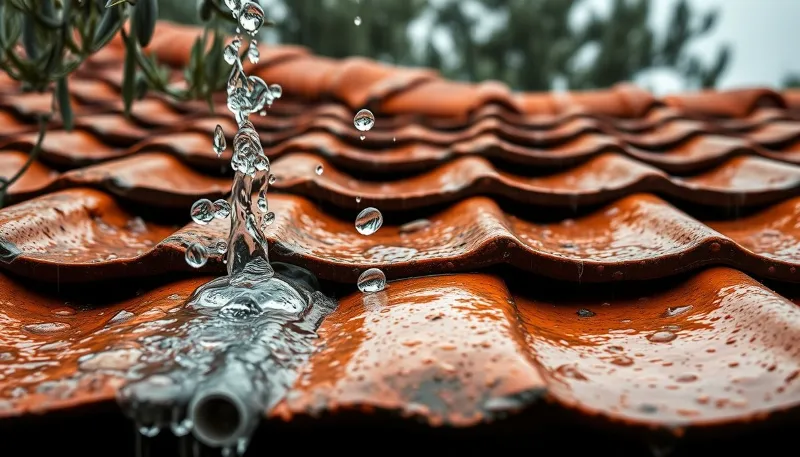
At first glance, the island doesn’t seem particularly rainy. However, when the storms do roll in (especially during autumn), they pack an enormous punch. For houses with imperfect roofs, leaky terraces, or untended windows, that sudden rainfall can translate into major internal leaks. On top of that, in places where the ground is chalky and drains poorly, water tends to collect around foundations, leading to troublesome rising damp on lower floors and sometimes in basements.
Wind, meanwhile, does double duty. It scatters more of that salt spray deep into cracks you never noticed and, after years of trying, can even pry lightweight roof tiles or panels loose if they weren’t properly anchored. The same wind wears away paint, mortar, and even stone, and can push moisture through microscopic openings faster than you’d expect.
What are the most common building defects in Ibiza?
Ask any veteran builder or seasoned real estate agent, and the stories are much the same. Ibiza’s properties often suffer a repeat cycle of issues, mostly because of the coastal climate but also due to the breakneck pace of past construction booms. While official lists may not even exist, local experience points to some very typical (and very annoying) pathologies for homeowners to watch out for. Knowing these early can spare massive headaches down the road. Among all the different types, a handful always seem to top everyone’s list:
- Moisture and infiltrations: Without a doubt, this problem is everywhere. It appears as rising moisture from the earth (capillary moisture), trickles from above, and those mysterious water stains behind furniture. Salts pop out, mortars crumble, and paint flakes peel off, especially on ground floors or in neglected basements.
- Corrosion of reinforcements: Where moisture and salt meet steel, it’s just bad news. Cracks show up, flakes of concrete fall away (spalling), and rusty streaks start running down beams or balconies, a red flag for anyone concerned about their home’s actual strength.
- Cracking and structural fissures: Not all cracks are created equal, but too many come from big shifts beneath your house, wonky temperature changes, or even mistakes in the original construction. Some cracks might be harmless; others demand urgent attention.
- Problems in flat roofs and terraces: While these are beloved in local architecture, they also take the brunt of sun, wind, and torrents. Membranes lose their grip, tiles wobble, and, sooner or later, water finds its way through to the rooms below.
- Detachment and degradation of coatings: Ibiza’s weather does exterior paints and mortars no favors. Humidity and salt force them off in big chunks, while the harsh sun ages what remains. Trust us, these need more frequent touch-ups than most mainland homes.
- Biological attack and mould growth: Let a room go poorly ventilated, and it might become a laboratory for mould. Old homes feel this especially, with fuzzy spots climbing walls and lurking in corners, posing a genuine health worry for those inside.
- Issues from poorly executed renovations: Sometimes, in the rush to modernize or expand a property, quality gets left behind. Shoddy fixes, illegal rooms, and odd connections between old and new structures can quietly sow new sets of issues, waiting to be discovered when it’s least convenient.
| Common Pathology | Primary Cause | Typical Location |
|---|---|---|
| Moisture & Infiltration | High humidity, intense rain, rising damp | Basements, ground floor walls, roofs, terraces |
| Reinforcement Corrosion | Saline aerosols (sea salt) and moisture | Concrete pillars, balconies, slabs, structural elements |
| Structural Cracks | Foundation movement, thermal stress | Walls, foundations, slabs |
| Coating Degradation | UV radiation, salt, humidity | Exterior facades, painted surfaces, wooden elements |
| Mould Growth | Internal condensation, poor ventilation | Bathrooms, kitchens, poorly ventilated rooms |
How can you identify the exact problem with your property?
Jumping straight to repairs without first stopping to investigate can end up being a waste of energy and money. Really, zeroing in on the root of any structural or moisture issue is the foundation for lasting solutions. Sure, some signs are obvious. But often, the real culprit hides out of sight, waiting for a savvy professional to track it down using not just keen eyes but clever tools.
Starting with a professional visual inspection
Almost always, the process begins with a close-up visual inspection. A sharp-eyed expert will walk your property, not just glancing around but really scrutinizing every nook, stains, odd streaks, bulging paint, even rust tiny as a pin. They’ll jot down what they find and compare it to tell-tale problems seen before. Even at this early stage, patterns often emerge: was it subsidence below, missing waterproofing, or perhaps older reinforcement corrosion gnawing at the frame?
Using technology for a deeper look
But let’s face it, the eye can only see so much. When the signs are confusing, specialists in Ibiza pull out an impressive toolbox of gadgets, each one letting them peek beneath the surface without inflicting any new damage. That investigative instinct separates amateur fixes from real solutions.
What are non-destructive evaluation methods?
What sets pros apart is how they listen to the building itself. Using modern, non-invasive technologies, experts can figure out what’s happening inside your walls and floors. Here are the tools that often reveal the hidden story in Ibiza’s homes:
- Infrared Thermography: Point a special camera at your wall and differences in warmth pop up instantly, great for spotting water leaks, invisible cold spots, or places where the insulation failed. It’s almost like giving your house a thermal health check.
- Ultrasound Testing: This tool bounces sound through concrete, revealing secret cracks or empty pockets you’d never find otherwise.
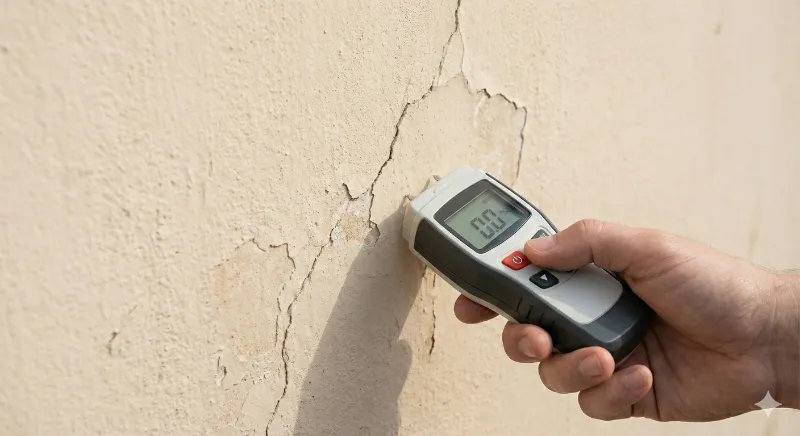
- Moisture Meters: These hand-held gadgets give instant readings for dampness hiding deeper within walls or floors, helping separate a plumbing leak from rising ground damp.
- Schmidt Hammer: With this, you check how tough your concrete still is, like testing bread for freshness but with science. It helps pinpoint areas that may have quietly grown weaker over time.
- Endoscopy: A tiny camera threads its way behind walls, letting experts look at hidden metal bars or at the space between partitions, no big demolition needed.
Occasionally, if the puzzle proves difficult, a small sample might go to a lab, where someone with a microscope can spot just how much salt or moisture has penetrated and whether your concrete remains up to par.
What are the best strategies for repairing your home?
Once you truly understand what’s wrong, the adventure of rebuilding begins. Repairing a home in Ibiza doesn’t mean patching things up for now, it means making your walls, roofs, and floors ready for what the island throws at them for years ahead. Spain’s official rules, known as the Código Técnico de la Edificación (CTE), act like a strict but wise advisor, steering owners and builders toward solutions that are durable and reliable.
Fixing moisture and infiltration issues
Problems involving persistent wetness, like rising damp, often bow to chemical anti-capillarity barriers. This low-key but effective fix involves injecting a water-blocking resin into the lowest part of your walls. For stubborn leaks from above, the only real solution is revamping the faulty membranes on your roofs or terraces, usually a job for the pros. Moreover, treating outside walls with breathable, water-repellent paints gives them a fighting chance against both wind-driven rains and salty air. Never underestimate the power of improving cross-ventilation, either, fresh breezes do wonders keeping interior moisture down.
Treating corroded steel in concrete
This one’s serious, as the skeleton of your house is at stake. To treat rusting metal deep inside the concrete, the process is precise: first, break away weak concrete and uncover the rusty bar. Then, treat and clean the steel thoroughly before coating it with a special anti-rust paste. Next comes a professional patch-up job using strong, reinforced repair mortars, sometimes additional steel or even advanced fibers are added when needed.
Repairing structural cracks and fissures
No two cracks require quite the same treatment. Some, considered cosmetic, can be tidied up using epoxy resins or special fillers. Deeper cracks, if they still move, may call for a technique similar to putting “stitches” in a wound, where a new steel bar locks the two sides together. Particularly tricky are those caused by the ground shifting below: here, the ground itself must be stabilized with complex engineering tricks, not just covering up the evidence.
How can you build or renovate to avoid future problems?
By the way, planning for prevention always beats scrambling to fix a crisis. Whether starting from scratch or updating a classic finca, giving proper weight to Ibiza’s climate, right from the first drawing, makes all the difference. Buildings that embrace this wisdom rarely suffer endless repairs or premature aging.
Key design principles for a durable home
Spain’s CTE code provides a useful backbone, yet real success comes from adapting the rules to fit Ibiza’s quirks. Here’s a quick look at the sort of guidelines and priorities that separate homes that last from those that don’t:
- Mastering water control: Never compromise on high-quality waterproofing, run it through all foundations, walls, and rooftops. Paying extra care to sealing window and door joints also pays off. Terraces and roofs must slope efficiently, draining water off before it sits and seeps in.
- Protecting against salt: Opt for corrosion-resistant materials if you can. Stainless steel, weather-proof woods, and bonus-thick layers of concrete encasing any steel inside make all the difference, especially near the sea.
- Ensuring proper ventilation: Picture breezes slipping easily through your home. Natural cross-ventilation drops humidity. If fresh air isn’t enough, mechanical ventilation picks up the slack, following legal requirements when needed.
- Building a robust envelope: Behind every beautiful wall should be a ventilated space, almost like your home is wearing a raincoat with pockets of dry air under the fabric. Foundations need membranes that stop damp at the root.
Essential maintenance practices for island properties
No design is so perfect it can ignore time or weather. Maintenance is what keeps a home on Ibiza out of trouble. Here are a few habits locals swear by, especially if you plan to spend decades there:
- Regular cleaning: Hose down facades and exposed frameworks regularly to chase away the creeping build-up of salt and grime.
- Annual inspections: Take a hard look at every seal and joint, especially before the rains, and if something looks worn, fix it straight away.
- Clear drainage systems: Unclog gutters and drains like your home depends on it, because during a storm, it really does.
- Reapply protective coatings: Give your house another coat of protection every few years. Check paint, varnish, and sealants, those outside especially need care.
- Act fast on minor issues: Nip small cracks, flaky paint, and minor stains in the bud, before they grow into the kind of problems that keep you up at night.
Honestly, living in Ibiza is a conversation with nature. Success comes not by fighting the climate, but by collaborating with it. Whether you’re renovating a classic home or building anew, invest in local know-how and high-quality materials. Over years, this collaboration ensures your house remains safe, strong, and beautiful, reflecting the spirit of the island itself.
When you follow the rules that shape construction in Spain and keep your home’s health on your priority list, you’re not just maximizing its value but also protecting the wellbeing of everyone under its roof. In the end, resilience is built with careful planning, smart choices, and the determination to keep your home ahead of the elements, rather than always catching up.