December 31, 2025
Sustainable Construction Solutions Overview
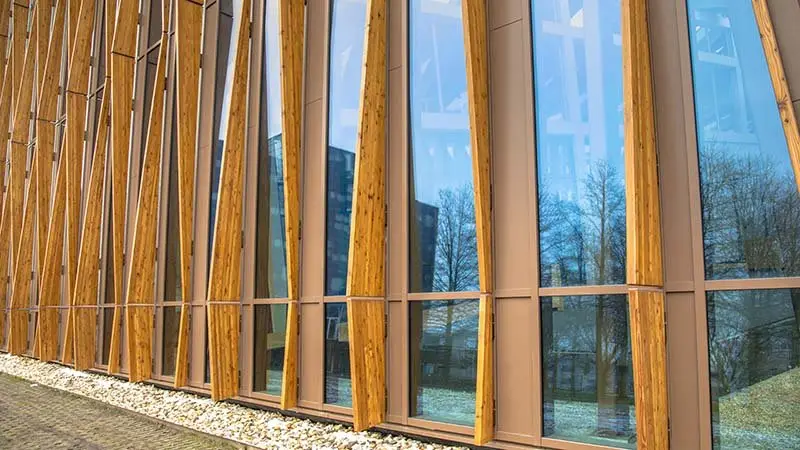
The construction industry finds itself at a decisive moment, facing global challenges of enormous scale. The urgency of tackling issues such as climate change, environmental degradation and the growing demand for natural resources leads us to reflect on the pressing need to adopt sustainable construction solutions. Implementing these solutions isn’t limited to minimising the negative impact on our environment — it also extends its benefits towards promoting a better quality of life for generations to come, securing a more promising and sustainable future.
Innovations in Sustainable Building Materials
The development and use of eco-friendly materials represents one of the most encouraging horizons on the path towards sustainable construction. Research and technological innovation have enabled the creation of more environmentally friendly alternatives that not only meet the required quality and safety standards but also help conserve our natural resources.
- Eco-Friendly Concrete: Made from recycled components or materials with a lower environmental impact, this offers a sustainable alternative to traditional concrete, significantly reducing the CO2 emissions associated with its production.
- Recycled Plastic Bricks: Using recycled plastic to manufacture bricks not only helps reduce waste but also delivers superior thermal and acoustic insulation properties.
- Certified Timber: Wood sourced from sustainably managed forests ensures the conservation of forest ecosystems and biodiversity, promoting responsible forestry practices.
These material innovations not only represent progress in terms of sustainability and environmental respect, but also open the door to new possibilities in design and construction, enabling projects that are both aesthetically appealing and environmentally responsible.
Adopting sustainable solutions in construction isn’t just a response to today’s environmental challenges — it’s also an investment in the future of our planet. By prioritising eco-friendly materials and innovative technologies, we are laying the foundations for a construction industry capable of meeting today’s needs while also protecting and preserving resources for future generations.
Advanced Technologies for Energy Efficiency
Energy efficiency stands as an essential pillar of the sustainable construction concept. Implementing advanced technologies plays a crucial role in reducing energy consumption in buildings, contributing significantly to the fight against climate change.
Innovations in Energy Efficiency
- Photovoltaic Solar Panels: These systems capture energy from the sun and convert it into electricity, allowing buildings to generate their own clean, renewable power.
- Thermal Insulation Systems: Innovations in insulation materials and techniques improve a building’s ability to maintain indoor temperature, reducing the need for heating and cooling.
- Double-Glazed Windows: This type of window minimises heat loss in winter and reduces heat gain in summer, contributing to greater energy efficiency.
These technologies not only help reduce energy consumption, they also enable greater energy independence for buildings, marking a step forward towards more sustainable, efficient construction.
Water Management and Green Spaces
Sustainable water management and the integration of green spaces are fundamental aspects of modern construction, contributing both to more efficient resource use and to the wellbeing and health of occupants.
Sustainable Water Management Strategies
- Rainwater Harvesting Systems: These systems capture rainwater for use in irrigation or sanitary systems, reducing demand for drinking water.
- Greywater Reuse Technologies: Treating and reusing water from sinks, showers and laundry reduces fresh water consumption.
- Efficient Irrigation Solutions: Implementing smart, efficient irrigation systems helps optimise water use in green areas.
Promoting Green Spaces
- Green Roofs: Roofs covered in vegetation not only improve a building’s appearance, they also help reduce the urban heat island effect and improve air quality.
- Living Walls: Vegetated walls, whether indoor or outdoor, create healthier, more visually appealing spaces, while also supporting urban biodiversity.
Sustainable Construction Certifications and Standards
Adopting international certifications and standards is key to guaranteeing high sustainability standards in construction.
Standards and Certifications
- LEED (Leadership in Energy and Environmental Design): This certification system evaluates aspects such as efficient energy use, the choice of sustainable materials and indoor environmental quality.
- BREEAM (Building Research Establishment Environmental Assessment Method): BREEAM assesses building sustainability across multiple categories, promoting construction practices that respect the environment and occupants’ health.
The Role of Innovation and Collaboration
Innovation and collaboration among the different players in the construction industry are essential to advancing sustainability.
Innovation and Collaboration in Sustainable Construction
- Experimenting with New Materials: The search for more sustainable, efficient materials is crucial to developing more environmentally friendly buildings.
- Innovative Construction Techniques: Implementing new techniques can improve the efficiency of construction processes and reduce environmental impact.
- Sustainable Business Models: Collaboration between architects, engineers, builders and other stakeholders drives the adoption of practices that benefit both the environment and society.
Bringing these elements together not only fosters a greener, more efficient construction sector, but also lays the foundations for a more sustainable and resilient future.
Conclusion
Sustainable construction solutions represent an unprecedented opportunity to mitigate the environmental impact of one of the most important sectors of the global economy. By adopting eco-friendly materials, advanced energy efficiency technologies, water management practices and green spaces, together with compliance with sustainability certifications, we can build a greener, more resilient future. Sustainable construction isn’t just an ethical responsibility; it’s an investment in the health of our planet and in the wellbeing of future generations.